Showing posts with label Chicago. Show all posts

Tuesday, March 1, 2022

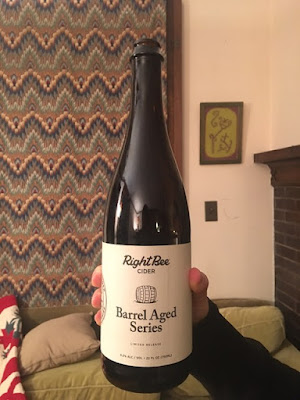
Cider Review: Right Bee Cider Clementine Barrel Aged Series


I hear from my mom that daffodils are striving several inches from the ground in her yard in Kentucky. I witnessed some upstate daffodils just barely poking their heads above the soil; that was on the one day we had bare ground between different blankets of snow. Surely this means that Spring will arrive, perhaps even before too terribly long. But for right now, I’m grateful for the warmth of friends and loved ones. 

This past week, the cider community launched #OpenThatCiderBottle across a few social media platforms, directing all of us to take the time to look at the cider we have and choose something special. We then opened our ciders and shared the stories of what makes the bottles meaningful or exciting. I’m all about using and enjoying the good things we have. I shared Right Bee Cider’s Clementine from the Barrel-Aged Series, because it was a surprise gift from my cider friend Matt. 

Matt not only shared a lovely cider with me, but he helped me out with some supplies I needed for an art project that is still in process. As soon as I put out the call for help, he answered and got me not only what I needed but this cider too. I feel touched by his perceptive generosity! And what an intriguing cider; I’ve never gotten to review anything by Right Bee Cider before. 

Right Bee Cider is based in Chicago by Katie Morgan and Charlie Davis in 2014. Here’s how they describe themselves as cider producers, “We are passionate about the art of cider-making, made by hand with natural ingredients and sustainable practices. Our cider brought us together, and we hope it continues to bring others together as well.”

I’m so excited to share my thoughts on the limited-release Clementine (Barrel Aged Series).

You can visit the cidery website here: https://www.rightbeecider.com/

I don’t have a lot of info about the cider, but it is “Aged in Thornton Distilling Dead Drop Bourbon Barrels.” The ABV is 6%. 

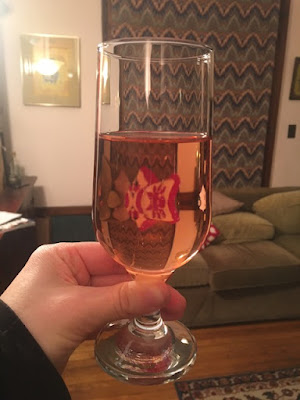
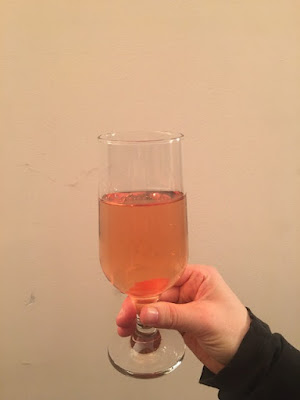
Appearance: intense warm copper, brilliant, fine bubbles

Oh, this color is amazing. I’ve never seen a cider with such a deep warm copper hue. It’s brilliant with fine visible bubbles.

Aromas: cherries, apricots, butterscotch, old paper

The Clementine has aroma notes of old paper, cherries, and apricots.  I also smell minerals, water, and intense butterscotch. There’s a rich apple concentration that reminds me of fruit on the equipment after it has been pressed; juices that have dried and intensified. I get notes of barrel and dust as well.

Dryness/sweetness: Off-dry

I find it a little challenging to determine sweetness level in barrel aged ciders. I’m perceiving a more complex set of qualities that all affect one another. This cider has a lot going on in multiple dimensions, but it’s not notably sweet. At the same time, it’s also not bone-dry, so I’ll call it off-dry and acknowledge the imprecision!  

Flavors and drinking experience: fruity acid, buzzy, gently bitter

The first impression I get is that this cider is in some ways like an oaked Chardonnay. The Clementine tastes refreshing, acidic and not too tannic. The cider rises with a little wave of gentle bitterness a second or two after the initial taste. I find the texture petillant, with a silky body. I appreciate the wonderful interactions between bright fruity acid and the dark barrel notes. The whole experience is full and complex with a long dark pleasant finish.

I had my co-tasters investigate for diacetyl acid, because I’m not particularly sensitive to it, but they assure me that the buttery-ness is barrel-y not popcorny or oily.

Though the barrel characteristics are emphatic, they do not unbalance the drinking experience. Another wine reminder arrived in the buzzy sense of alcohol, but this remains absolutely clearly a cider, just one with a few wine-like characteristics.

I enjoyed the Clementine with wonderful companionship and a funky tasty cheese. Yet again, I must say that I am thankful for friends, family, loved ones. A special bottle shared with special people made for a very warm and cozy night.

Tuesday, February 21, 2017

Cider Con Part 2: Panels, Workshops, and Tastings of CiderCon 2017


I love seeing cider friends, making new ones, and tasting unfamiliar ciders at Cider Con, but I'm a cider geek. What makes me look forward to the event months ahead of time is the schedule of workshop, panels, and guided tastings. I love learning about cider more than most anything in the world. 

I started my schedule with "U.S. Cider in 2017 "by Angry Orchard's Ryan Burk. This description does not tell the whole story of the talk, but it says, "Insights and outlook for U.S. cider in 2017, covering the importance of drinker education, highlights and successes from across the country, and the future of apples in the U.S." What we learned was so much more. 

Ryan showed current market data about cider, but then he took us on a journey through the chain of cider production. Almost everyone in the room was reminded to think of a step further away from their relationship to cider than usual. We heard from nursery growers, orchardists, cider makers, distributors, and drinkers about how we can get good cider into glasses.
It all comes down to apples. Ryan talked about why we need more cider varietals grown in the United States and we talked about how to make that economically feasible for every link in the chain of production. And for some encouragement, he called out some love for cider companies providing great long-term commitment by planting their own orchards.

I next attended "Tools for Success: Marketing, Branding & Storytelling" by Caitlin Braam and Kate Bernot. Caitlin is the president of Seattle Cider Company and Kate does all the cider coverage she can get her hands on through Draft Magazine.

This is what I knew about their talk going in, "This session will focus on tools and techniques to take your cider brand to the next level. Whether you’re just starting out or are looking to enhance an existing brand, hear about tried and true tips for increased exposure, assisting with sales and gaining recognition for your brand through media outreach. Learn how to pitch, contact press, and craft the perfect story while understanding the challenges beverage writers face when writing about cider. Caitlin and Kate will also discuss some of the hurdles currently facing the industry, including style definition, Brix scale, macro vs craft and more." These were great presenters, and I appreciated the choice to pair a cider company president with a journalist so multiple angles could be covered. 

Everyone who attended "Cider Trends in the US & Abroad" by Danny Brager and Matthew Crompton from Nielsen and CGA got a great window into some Nielson data presented compellingly.  Here's how they described the talk. “Nielsen and Nielsen CGA will take a look at the Cider category in the U.S., and France, its performance at retail (both on and off premise), as well as the consumer dynamics driving its sales – the ‘why’ behind the ‘buy’. They’ll provide some comparisons to other Cider markets elsewhere, and to the performance of other U.S. adult beverage categories, and offer suggestions for growing the U.S. Cider market." I really appreciated the way these gentlemen broke down some numbers and let us know where and how cider really is selling in America.

Next came, "Online Branding" my talk with Eric West of Cider Guide (find his fine work at https://ciderguide.com/)

We pitched our talk, “Online branding can help or hurt a cider brand tremendously. Frequently, cider fans encounter a new brand for the first time online. That means that cider makers cannot simply let the beverage speak for itself. Instead they need to craft an online identity for their cider company. This talk will introduce people to the why and how of online branding and content marketing strategies. We’ll talk about the types of online communication necessary for a cider brand including: blogging, newsletters, and social media. Plus, we’ll address both basic and intermediate strategies for managing them.”

I feel quite pleased with our crowd and their questions. Eric gave some great granular thoughts about using specific applications and some excellent book recommendations. I stayed a bit more big picture and talked about information, communication, and guiding priciples for the most part. I did give a few tiny tidbits about various social media platforms. Rather than summarize though, I'll just give a link to the slides of our presentation: https://ciderguide.com/wp-content/uploads/2013/09/Online-Branding.pdf

Next came a panel I looked forward to more than most was the “Women in Cider” a discussion organized by the Pomme Boots Society (founded by Gemma Fanelli Schmit, Jennie Dorsey and Jana Daisy-Ensign)

Here's how they introduced the panel, "Meet and learn from women working in different segments of the cider industry. Panelists share their experience, insight, challenges and inspiration from orchard to bottle and tasting room to market. Pomme Boots Society is honored to present a forum for discussion that shares the stories of women in our dynamic field." Also, for those not yet familiar with the group, here's how they introduct themselves, "The Pomme Boots Society is an organization for women working in the cider industry. The group supports positive network connections, education and professional development for women in the dynamic field of cider."

Of course there were many talks I really really wanted to attend but couldn't. First among these was, “Apple Orchard Mythology vs. Reality” by the legendary Pete Brown.

This description made me gnash my teeth for being unable to attend: “The apple is the most symbolic, mythologized fruit in human history. In this talk based on his new book, The Apple Orchard, Pete Brown traces the apple along a faultline between the real world and the mythological, through ancient Greek myth, Arthurian legend and the Garden of Eden, and attempts to answer key questions such as why the apple has such great significance, what was really going on with Snow White? And was the Biblical Forbidden Fruit really an apple or not? The answers shed new light on cider’s core ingredient.”

For those who might not yet be familiar, Pete Brown is an English beverage and culture writer who penned World’s Best Cider (with Bill Bradshaw) among several other beloved books. Luckily, I was able to purchase Brown's latest book The Apple Orchard at CiderCon and get it signed! Wow! For those who want to take a peek at the new book: https://www.amazon.com/Apple-Orchard-Pete-Brown/dp/1846148839/ref=sr_1_2?s=books&ie=UTF8&qid=1487645778&sr=1-2&keywords=the+apple+orchard

My favorite tasting had to be the “Northeast Cider Tasting with Jenn Smith and Ian Merwin”

The description for this one read, "A lively conversation with a focused selection of cider makers from NH, NY and VT, including, Autumn Stoscheck (Eve’s Cidery). Eleanor Leger (Eden Specialty Cider), Stephen Wood(Farnum Hill), Jonathan Oakes (Steampunk Cider), and Dan Wilson (Slyboro Cidery). This dynamic panel will share a tasting of representative ciders and will discuss apples, methods and styles from the Northeastern United States; spirited debate will ensue."

The reality was a bit different as Autumn had the flu and could not make it and there were a few other substitutions. In the end we tasted the five ciders listed in my photo and heard from Ian Merwin in place of Autumn Shosteck.

The talk that made me what to change my life the most, was probably “Selling Against the Trends: Tradition and Authenticity in an Innovation Driven Marketplace” by Lauren Shepard. 

It was described as, "The question of where cider fits into the current alcoholic beverage marketplace has been debated ad nauseam. Within the beer industry, Shelton Brothers is attempting to redefine how artisanal beverages are sold today, by focusing on tradition rather than innovation, knowledge rather than marketing dollars, and competitive pricing rather than uniform margins. This session is for any small or midsized cidermaker who doesn’t want to put their cider in a 6-pack, but knows that they will likely be working through beer buyers in their home market and beyond."  Lauren's talk came from her experiences as a distributor of very fine ciders and beers. I think her points make a lot of sense for a market like Ithaca and several others I'm sure.

The biggest surprise of all came from “History of Apple Culture in the US” by Original Sin's Gidon Coll. Gidon is a friend of mine (I'm proud to say), and I really wanted to see what he could teach us about apple history. A lot as it turns out. 

The description of the talk was relatively simple, “A brief look at the history of apple culture in the United States with a look at historical text documenting the early days of cider production in our country.” Coll planted an orchard in 2012, made up of heritage, rare, and cider specific varietals, in Upstate New York. His talk and his credentials are both so much more than was promised. Gidon brought historical books on apples, vintage nursery catalogues, and shared with us information that wooed everyone into the world of orchard history. If any talks gave me the sense that I have homework I really *want* to do, this was it.


Cider Con ended with a panel discussion and Grand Cider Tasting with our guest french cidermakers. Folks got the chance to ask questions about keeving, the cider market in France, and hear these cidermakers' stories. Plus we got to try a few of their delicious ciders and perries. This was a perfect way to wind up a conference. We'd worked hard and learned a lot, so everyone felt pretty ready to listen and mellow out with some cider.

I know presentations will go online in the coming weeks, so folks who weren't able to attend Cider Con will get to have access to some of this great material. Though this is far from the full experience of Cider Con, I hope you guys enjoyed getting to share some of the ways in which I enjoyed geeking out!

Wednesday, February 15, 2017

Cider Con 2017 Part 1: An Industry Growing Up

The United States Association of Cider Makers and the Big Picture 

Every year that I've attended, CiderCon feels like an event hosted by a developing organization. The United States Association of Cider Makers improves and challenges itself to learn more and do more each year. I remember some of the goals from last year, and we've achieved them. And when I think about CiderCon's maturation, it isn't just the parent organization, its how the whole industry approaches having a national meeting. We are learning to make the most of this time: not just to see friends and attend workshops, but to boost cider through timed releases, special events, collaborations and more.


Our hotel even had swank elevator wraps and quizzes

Most notably of the achievements of 2016 for the USACM is Michelle McGrath's hire as Executive Director. It took a long and arduous search but everyone is so happy that they found her. Bruce Nissen, our new USACM president and founder of Jester and Judge Cider (http://jesterandjudge.com/)
described the search as a thorough narrowing from an initial applicant pool of 1300 people down to just one. And after seeing Michelle throughout the weekend, I am completely impressed with her energy and organization. 

I want to show a bit more of the evidence I observed that CiderCon is maturing.

I appreciated excellent coordination as shown by the programs with maps, external work with organizations outside of USACM not only with Cider Summit Chicago but Cider Week Chicago, multiple cider releases timed to coincide with the conference, an organized press briefing, on and off site portfolio tastings, and best of all a strategic plan for USACM that covers their goals for the next three years. I've always felt like folks are trying to make the best of our time together at CiderCon, but some of these developments just blew me away.

I was lucky enough to be invited to a press briefing on the gearing up day of the conference. At this meeting each of the United States Association Board Member introduced themselves and their cidery. Each region and scale is represented on this board. The current board members are: Bruce Nissen, Dan Wilson, Eleanor Leger, Trevor Baker, Ryan Burk, Paul Vander Heide, Ben Calvi, Marcus Tieton, Brian Shanks, Dan Young and Eric Foster. As they each introduced themselves, they said a little bit about their cideries.


Board members also poured samples of their ciders; this is the tip of that iceberg

Michelle led the meeting and introduced us to what USACM is doing. The organization actively represents cider to the government to improve legislation of the industry. This is the year that the CIDER act goes into effect which reduces the tax burden on many cideries, particularly those making a sparkling cider.

The next legislative push is for the Craft Beverage Modernization and Tax Reform Act which you can read about here: https://www.wyden.senate.gov/news/press-releases/statement-on-introduction-of-craft-beverage-modernization-and-tax-reform-act.

Another major project of the USACM includes developing labelling for cider that will allow consumers to have a better idea of what they are purchasing. Though this is not yet developed early comparisons use the Riesling Taste Profile from the International Riesling Foundation as a potentially useful model.

Still on the subject of cider education, we got an update on the Cider Certification Program from Paul Vander Heide of Vandermill Cider. The first level of the CCP is now available to study and take online, with reduced pricing for USACM members. I was part of the inaugural class of CCP takers last February and vouch for the quality of information used for the test and training. The program is designed for everyone who wants to learn about cider in a serious way but is especially well suited to folks working in the hospitality industry or interacting with the public about cider. Learn more at the website: http://www.ciderassociation.org/Certification.

Another significant goal for the USACM is the comissioning of third party economic data that's more granular than what's available through Nielsen and more inclusive of local and regional producers. The industry needs better coverage of cider's “long tail” when such a large proportion of our businesses are very small and often very young.


Opening Session
This year we also played host to some very special visitors from two cider making regions of France: Brittany and Normandy. Ghisilaine Davy from Cidrerie Daufresne to share his Poire(Perry), Dominique Le Brun from Cidres Le Brun to discuss keeving as a fermentation technique, and Guilliaume Drouin from Christian Drouin, bringing his Calvados and cidre.
At the opening session, we heard (via video) from Oregon lawmaker Representative Earl Blumenauer about continuing bipartisan efforts to improve the regulations and taxation that govern cider as a beverage. He's a charming speaker who championed the CIDER Act that already promises to give some producers a number of beneficial legal changes.

Another highlight of the opening session for me was our welcome video. This includes cideries from all over the country and a few sly jokes if you know the personalities and companies involved. Even without these little hidden gems, the video is a fun window into the quirkiness of cider makers.

https://vimeo.com/203243082

The most exciting part of the opening session though was finding out about next year's location for CiderCon. In 2018, we'll convene in Baltimore. I anticipate lots of seafood pairings and events that show me a city I've never seen.


Our opening panel discussion

Up next, I'll share my experiences at the panels, workshops, and tastings of CiderCon 2017.


Wednesday evening Cider Share

Monday, February 6, 2017

Cider Review: Citizen Cider's Barrel-Aged Cider & Chicago Cider Week

Usually, I start with my review and then share any cider news, but I want to make sure Chicago area cider lovers know that this event is already happening! Chicago Cider Week runs from February 3-11 with a plethora of cider opportunities for sipping, pairing, and learning!

Tons of fabulous cider things happen at The Northman (http://www.thenorthman.com/) and this week is anything but an exception. We can meet Pete Brown (cider and beer author), Ria Windcaller(of Cider Chat: http://ciderchat.com/), and some super start cider makers.   

Pairing dinners and tap takeovers are also happening all over town! Check out the event list:

http://www.chicagociderweek.com/p/events.html

And as a way of transition, today's review is a cider by Citizen Cider out of Burlington, Vermont. They have already started a full series of cider events just by themselves this week for both Cider Week and Cider Con. 


I reviewed the bRose in 2014: http://alongcameacider.blogspot.com/2014/02/cider-review-citizen-cider-brose.html

More recently, I stopped at their taproom and production facility in Burlington this past summer as part of my Cider Tour: http://alongcameacider.blogspot.com/2016/08/the-great-vermont-cider-tour-day-2.html

To learn a bit more about Citizen Cider, please check out their website: http://www.citizencider.com/

Today's review is of their Barrel-Aged Cider. I'll share the official description, but here's a spoiler, I'm not going to pair it with steak. : )

This cider is aged in reclaimed oak bourbon barrels. We take our finest cider blends, let them sit in these American oak barrels, and while they get to know each other, a beautiful relationship emerges. Best enjoyed with a big steak and a friend.
Reclaimed American Oak Bourbon Barrels are going to impart a lot of flavor, and I bet it will smell and taste boozier than its 6.9% ABV, but there's only one way to find out.

Citizen Cider was kind enough to list some additional pairing options. Here's the list, "Pairings: Lamb Stew, Veal Ossobuco, Pumpkin Pie, Dark Chocolate Souffle, Blue Cheese and Smoked Blue Fish." There aren't a ton of vegetarian options in there, but I'm never going to argue with dark chocolate souffle or pumpkin pie.


Appearance: brilliant, lots of visible bubbles, medium straw 

Like all of Citizen's ciders, this has a perfect sparkling brilliance. Its easy to see lots of active bubbles throughout the glass. I'd call the color medium straw, neither particularly light nor dark.

Aromas: almond, cherry, apple, barrel

The cider smells intensely of barrel, but that's far from the only note. I can also get wisps of apple, cherry, and almond. It smells rather like pastries altogether, but I'm guessing it will be less sweet than it smells. 

Sweetness/dryness: semi-dry

I get a bit of initial sweetness but the cider tastes dryer as the tasting experience goes on; its like many barrel-aged ciders in this way.


Flavors and drinking experience: vanilla, cooked apples, bourbon, buttered toast

Let me say first that this cider has a lot going on in terms of flavor intensity! The best part is that all of these flavors go together beautifully. I tasted this first when I toured the facility in August; my thought then was that this cider would be perfect for winter. So, I bought a bottle and saved it until the beginning of February. And I don't disagree with past Meredith. What a brilliant winter cider.

This is so vanilla, bourbon, almond, buttered toast good. All of the flavors really do cascade together over the tongue. The apple flavor is soft like the apple has been cooked or pressed into pomace. This helps the overall impression of unity I get from the flavors. 

In terms of texture, the Barrel-Aged Cider offers up great strong bubbles in bountiful quantities.  The cider also features great retro-nasal aromas: weird to say but great to experience.

I noticed when looking around online that this cider has made a few lists of ciders that beer aficionados could enjoy, and I agree. This is a particularly emphatic and well balanced cider with cohesive flavor and real verve. I'd heartily recommend it to beer and cider drinkers alike. I had mine with local cheese and Miche bread: no steak anywhere in sight, and it was totally delightful.

Tuesday, January 10, 2017

Cider Review: Embark Craft Ciderworks' American Hopped Cider also CiderCon 2017 is coming!

Back to summer cider notes once more this week. I tasted this cider on my back porch in July, and I've had it several times again since then. My review is therefore overdue. I was reminded of this cider when I had it recent at The Watershed (http://www.thewatershedithaca.com/).

Embark has only appeared in this blog as the creators of Cider Fest 2016 which was part of Finger Lakes Cider Week last year. I guest poured there and had a fabulous time.  

http://alongcameacider.blogspot.com/2016/09/a-round-up-of-finger-lakes-cider-week.html


Embark Craft Ciderworks describes the people behind their company as, "As farmers first and foremost." The cidery has grown out of Lagoner Farms just outside of Rochester, New York. The cidermakers, Jake and Chris, both come from local agricultural backgrounds. They write about local food, the importance of apples, and their growing orchard filled with apple varieties chosen for the qualities they bring to cider. 

Theyalso have a taproom you can visit on the farm. 

You can read more about Embark Ciderworks on the website: https://embarkcraftciderworks.com

And keep up to date with events and recent developments on the Facebook page: https://www.facebook.com/embarkcraftciderworks/

But for now, let's turn to the American Hopped Cider. This is how it is described by the folks at Embark:
Estate grown Autumn Crisp apples fermented and then dry-hopped with Cascade, Centennial, & Columbus hops that we sourced from a neighboring farm. A brillantly balanced cider with just a touch of sweetness and hop aromatics that add to the complexity of an already complex cider.

Appearance: brilliant, creamed honey color, lots of visible bubbles

The American Hopped pours with a head that doesn't vanish as quickly as some. I would describe the color as creamed honey. This cider has plenty of very fine visible bubbles. It makes my mouth water to look at it. This picture doesn't show how brilliant this cider is because of the condensation on the glass, but rest assured, you could read through it.

aromas: fresh apple, hops, mint

Immediately, I can smell fresh apples from the cider. Because it is often sold in cans, I'd recommend pouring it into a different vessel if you want to enjoy the full aroma. The particular type of hop smell that accompanies the apple is a clean and herby one with secondary citrus characteristics. The smells meld together such that my notes are cold apple and mint as well as hops. Very summery.

Sweetness/dryness: semi-sweet

The American Hopped Cider is unambiguously semi-sweet and accurately labelled as such on the back of the can. Great job, guys, accurate labelling is surprisingly rare.

Flavors and drinking experience: high acid, balanced, easy drinking

As strange as it sounds today, this cider is perfect for a hot day, but its also lovely when in a warm and bright place. The semi-sweetness is balanced by its high acid. The hops and apples work brilliantly in concert to make a unified taste experience that doesn't drown out either element. Cheers, this is my number one goal for a hopped cider! I did find the hop flavor to be piney, citrusy, and a little sweaty, but oh so pleasantly so. The citrus struck me in a particuarly lemony way.

As for pairing, I paired this with relaxing on the porch in summer and just watching my back yard. Most recently I paired it with local bakery bread, tomato garlic dipping oil, and unwinding with the best coworkers on the planet at The Watershed. Both worked brilliantly, and I predict it the cider would also work well with a corn and potato chowder and warm afternoon at home. 

Also, don't forget we are now less than a month away from Cider Con in Chicago!! 

There you will find multiple tracks of the best cider education, business planning, operations help, tasting, socializing and general cider merriment. I've attended twice, and I now look forward to it all year. Join us!

The link for registration is tinyurl.com/CiderCon2017

Tuesday, April 21, 2015

CiderCon 2015: Friday and Wrap Up

 
Here's part three of my documentation of CiderCon.

If you want to see my earlier posts on this amazing event please follow these links:

Tuesday's Sensory Analysis Training: http://alongcameacider.blogspot.com/2015/03/cidercon-2015-sensory-analysis-training.html

Wednesday USACM meeting and Cider Swap: http://alongcameacider.blogspot.com/2015/03/cidercon-2015-usacm-business-meeting.html

Thursday Clicker Session, Keynotes, Panels and Workshops: http://alongcameacider.blogspot.com/2015/03/cider-con-2015-thursday-clicker-session.html

 
I started my day with a marketing and sales panel, "Cider Sales Strategies & Tactics" a shared panel with Bob Egan,Vandermill Cider; Patrick Gould, Windy City Distributing; Michelle Foik, Eris Brewery & Ciderhouse; Anthony Belliveau-Flores, Rowan Imports LLC. This group had energy to spare and so much to share with cidermakers ready to sell their products. They spoke about building relationships with the accounts (bars, restaurants, bottle shops and more) that sell the cider. Everyone emphasized both educating consumers and being educated by them. I think one of my favorite takeaway ideas was to find out where your customers are and what they are doing then bring cider to those activities whether that means bars, museum events, renaissance fairs, fine dining or night clubs.

They also spoke specifically about the cider market of Chicago, its growing pains, idiosyncracies, and educational network. I was massively impressed, and I know I wasn't the only one who really appreciated how much immediately interesting and useful information this panel had to share.

A few other useful thoughts I noted particularly:

This Multi-Step Approach
Be engaged: Talk with everyone about your expectations
Plan-not just one year but three years or more
Support- not just at the point of sale but everywhere, educate people, sales materials
Partnership- Be an advocate for yourself, make distribution and marketing and sales work together, nothing happens in a vaccuum.

Understand the law.

Don't sell to the store. Sell through the store.

There were great questions at this panel as well. I love being part of a motivated audience and CiderCON offers those consistently!

My last panel on Friday at Cidercon was a fantastic one, "Surviving the American Dream: Cider Business Startup" by Bruce Nissen. This is an anther panel to which I showed up early because I knew the room would fill, and fill it did. There are so many people who want to start cideries right now, and they are hungry for good specific information about that process. Nissen is in a great position to share good information because of his history in the industry; he started Fox Barrel Perry with Sean Deorsey in 2004 and is in the process of some fantastically interesting new projects (http://hoodriverbizbuzz.com/?p=6006)


Nissen's first and primary emphasis was on planning. "Have a plan. What are you doing?" he said to us.

He encouraged people to plan for scale and profitability and to be honest about the need for human capital. This is a point I've seen in action. People need to plan to pay themselves and have have enough money to hire other people. So many businesses struggle with this, especially small businesses and young businesses. Products don't look good because the company cannot afford a professional graphic designer for their packaging. Websites go offline or become outdated because a company doesn't spend the money (or necessarily even have the money) for well-supported website. Products languish because there isn't money to pay for adequate sales staff. Tax issues because no one hired an accountant who knows and understands the tax laws. I've seen all of these things mulitple times in the cider world. I hope people listened when Bruce told people to budget for all of these things before even starting.

He told folks to think about format: tap room vs tasting room? bottle size? kegging?

Who are your customers? Where are they? Can the business have ancillary revenue streams? It should.

Next Nissen spoke about timing. Many businesses underestimate how long it will take to get up and running. There will be delays and they can be expensive. When can a new cidery owner afford to quit her or his day job?  How long does the start up phase last? Things take more time than most folks expect.

But the presentation wasn't just a list of questions for potential cider owners to ask themselves. He also talked about grant opportunities.

It was a very thorough completely riveting talk. Once the materials go online, I'll link to them here. I don't have the notes necessary to completely recreate his talk here, but I wish I could, because it was that good.

Sadly, after this I had to fly home. I missed the guest speaker: Congressman Earl Blumenauer from Oregon. But from what I understand, he appeared to discuss the CIDER (shorted from Cider Industry Deserves Equal Regulation) act, which is a bipartisan Act, HR 600. Blumenauer reintroduced this with Congressman Chris Collins from New York with the goal of improving taxes codes relevant to cider and especially small or farm based cideries.

All in all, CiderCON was a wonderfully inspiring and education experience in addition to being a fun and delicious one.  I'm so grateful for the opportunity to attend and meet so many fellow cider lovers.

Tuesday, March 17, 2015

CiderCon 2015: USACM Business Meeting, Cider Salon, FDA Cider Labeling and Welcome Reception


Back to my (relatively idiosyncratic) coverage of CiderCON 2015! Today is a very wet coldish St. Patrick's Day, so I am ready to pretend I'm back in company of cider makers and cider lovers. Sláinte mhaith!

The second day of CiderCon began with the Official USACM meeting. My notes come from what stood out to me personally and are far from exhaustive. Apologies for places in which my information is either partial or flawed. As soon as the official minutes/agenda are published online, I'll link to them from here


Just as a bit of background, this is how the USACM describes itself online.
The USACM is an organization of cider and perry producers in the United States. It gathers and shares information about cider production, cider regulations, and cider apple growing, to help members improve their operations, raise awareness, and advance cider in the market. 


The TTB (Alcohol and Tobacco Tax and Trade Bureau) Representative described an ongoing review of the TTB labeling and advertising regulations that is underway. It has the goal of modernizing and reorganizing labelling regulations. They are hoping to issue a document of planned changes to this effect in 2015. The second step will be for the industry to respond to these proposed changes. We are encouraged to read and interact with the document and come to the TTB with our ideas or concerns.

The TTB representative's final point was to encourage attendees to come and speak with any one of the seven representatives the TTB sent to CiderCon. 


Most interesting to me is that TTB.gov has a new cider FAQ.


http://www.ttb.gov/faqs/alcohol_faqs.shtml?Cider#Cider


(After spending some time with this document it has given me new appreciation for what every commercial cidermaker, winemaker, and perrymaker has survived in order to offer their product. I raise my glass to them.)


The USACM wants to develop a marketing committee but only if that is what the membership wants and it will be very membership driven in terms of goals and activities. Some possible goals include developing statistics on cider in this country and industry.

As part of the Finance Report, I learned that one of USACM's next goals is to have paid staff to deal with the money. Right now two people Sue and Ellen handle lots of USACM administration and James Cohen serves as the conference organizer. In other news, a new website is coming that will hop
efully be clear and easy to update.


The Legislative Committee gave us their update on the CIDER act (h.r. 600) which is a big big reason that the USACM is important for all US cidermakers. This has to do with how cider is defined, regulated, and taxed. If you like other fruit juices blended in with your cider, if you like higher ABVs than 7%, or if you like intense sparkle to your cider, you like the CIDER act. There are a few dozen other reasons to love it, but I just wanted to describe the tastiest ones first.

Read more about it here: http://www.ciderassociation.org/page-1842966

Then cidery owners spent some time electing new folks to board of USACM. Now the current line up is: Mike Beck, Scott Donovan, James Kohn, Bruce Nissen, Dan Rowell, Robert Vail, Dan Wilson, Eleanor Leger, Justin Kissinger, Trevor Baker and David Cordtz. Hear hear!


Next year's cider con is in Portland, Oregon. All of the west-coast lovers cheered at this.


Cider Con 2015 will including the USACM giving its first set of cider awards. This was a surprise to many in the room.

Allusions were made to cider research grants. Dan, Greg and James met to discuss small grants and Ian Merwin formerly of Cornell University and now of Black Diamond Farms/cider is involved. People interested in orcharding, cider apples, and researching any of these or related topics should watch the USACM page for more information on cider research grants or contact those folks.


Then I took a break for a great veggie omelet and home fries during the "Cidermakers seeking Distributors/Wholesalers Networking Lunch." But if anyone who attended that would like to comment about their experiences, I'm all ears and I'm sure I'm not the only one.


One highlight of Wednesday was the cider share. Dozens and dozens of cidermakers from all over the place presented their bottles of cider. It felt like every table in the ballroom was filled and in some cases being shared by up to three different cideries. Folks circulated slowly, sipping here and discussing there. No one could try all of the ciders in that room because not only were more cideries represented than I’ve perhaps ever seen in one place, most companies brought between two and five different ciders (and fair number of perries made an appearance as well).

I attempted to moderate my tasting because these rapid-fire tastings never give me enough information (or a clean-enough palate) to create a full review. But I did get to speak with a number of really interesting people while making note of the particular ciders I wanted to taste again and review. Many folks were really generous in not only giving me information but also either giving me ciders to fly home or offering me packages of cider in the near future. So, in other words, it was heaven. Cider flowing. Great conversation. And promises of more cider to enjoy quietly and thoughtfully in the future. 


And those cider packages have started to arrive! I cannot wait to really review and enjoy ciders from: Seattle Cider Company, Rev. Nat's Hard Cider, Cider Riot, and others. I'm still looking forward to a few more arrivals, including one made of Wickson Crab Apples. *hint hint*

There was an FDA session. A generalized Powerpoint presention was given by Lynn Szybist about labeling. Because it was so broad and general the bulk of the session came from questions asked by many cidermakers. There are some vast arenas of confusion when it comes to what is allowed and what is required by either the FDA or the TTB. I’ll simply say that people communicated their frustration through asking detailed and specific questions. Unfortunately, answers were few and vague. I’ll leave it at that.

 
Our day officially ended with a welcome reception. By which point, I felt almost more ready to be welcomed to dreamland than to be given more delicious cider and food. But, CiderCon is not for the faint of heart or stomach (or liver). It was a very educational and enjoyable day, and we were only getting started.

Thursday, March 5, 2015

CiderCon 2015: Sensory Analysis Training by Charles McGonegal and Gary Awdey


CiderCon 2015 was a huge and wonderful experience. Rather than attempting to give an overview, I'm going to present my experience chronologically through my impressions of various sessions. That way, I can present the information and the experience fully without trying to condense everthing into a post or two. But, since I am posting about how I interpreted the conference and material, this posts will be absolutely as subjective and opinionated as my cider reviews, but this time you'll get the presenters' wonderful interesting information primarily, but seasoned with commentary by yours truly.

February 3rd (Day 1) Sensory Analysis Training
 It would be easy to think that tasting cider is all fun and games. I can assure you that it is not. Some cider experiences are more like taking a chance with Bernie Bott’s Every Flavour Beans from the Harry Potter universe than like sitting down at your favorite taproom.

This presentation is one that I did in a very similar format for GLINTCAP last year, but it is also one that everyone can always stand to review. How it works is this; Charles McGonegal and Gary Awdey start with one base cider and add minute amounts of various substances to subtly (or not so subtly) alter the cider’s taste, mouthfeel, or aroma in ways that highlight different cider styles and commonly occurring cider flaws. They've put tons and tons of work into this presentation and it shows.

The first time I worked my way through this presentation, Gary donated a generous amount of one of his semi-dry ciders (I think). This time we started with this year’s Appeltreow Barnswallow a draft style New World Style Cider (to use the lingo of GLINTCAP, Charles, and Gary). It has a mild 5.5% ABV and comes from a blend of dessert fruit. To me, it smells sweet and the flavors give me impressions of briskness, freshness, and semi-sweetness. The apples involved include Cortland, Ida Red, and Red Delicious.
Our speakers opened with a discussion of the actual limits of taste, the old chesnut that we can only taste approximately six flavors with our tongues. They spoke of using both aroma and mouthfeel (often described as texture) to express more fully the complete experience of drinking a cider.

Caveat: I’m not going to post an equal verbose blow-by-blow of each sample, but I will highlight a few that were particularly enlightening to me because I encounter them in my cider experiences regularly, or because they stood out for some other quality. Like being horrible.

Part 1. Texture and Mouthfeel

Sample 1 was tremendously useful. The mysterious addition made the cider smell sharper and increased the stone and mineral elements of the aroma. For me particularly, it had that slightly bleachy note that I taste in ciders quite regularly. Not a good thing. The mouthfeel seemed thin to me. The addition, as it turns out, was malic acid. Malic acid cuts viscosity, so it makes sense to think of the mouthfeel as thinner. Now, I will associate that bleach note with malic acid and know to pay more attention to texture when it comes up.

Sample 2 didn’t strike me particularly. It tasted pricklier and had carbonic acid.

Sample 3 smells more dessert-like and richer. Folks around the room noticed that it offered a mild warmth, longer finish, as well as richness and astringence. This was a simple addition of one more percentage of ABV from an unflavored alcohol source. Notable to me because ciders vary so much in ABV, and I want to think intelligently about how alcohol level and drinking experience interact.

Sample 4 tasted great to me at first. It was the kind of sweetness that can be incredibly pleasing in cider. It tasted like warm ripe apples. But after two sips, it didn’t taste very different. My expectations adapted quickly. This addition turns out to be not very appley at all, but rather .75% sucrose from beet sugar. As McGonegal says, there are two easy ways to increase thickness or richness of mouthfeel, adding either alcohol or sugar, and now we’ve tasted both.

Sample 5 struck me as funny, because I remember tasting it at the GLINTCAP presentation and at this one, but it tasted very different. Perhaps this is a difference in how the additive played against the two different base ciders. Or perhaps my tastes were picking things up differently. At GLINTCAP, I loved it. I remember it was my favorite additive of the entire presentation. The increased bitterness was just bliss to me. This time it also tasted more sour as well as more bitter and the flavors didn’t meld right to me. The additive was 10 ml of quinine; its goal to add bitterness without adding astringence.

Sample 6: super bitter and mega astringence. The aroma appears reduced but the finish is stretched. It hits the tongue in a velvety way and somehow made many folks notice the sides of their tongues. The speakers developed a way to add apple-based polyphenols through apple vitamins. This is a way folks sometimes fake tannins, but the speakers had only harsh words for this phenomenon.


Part 2 Aromas

Sample 7 normal levels of Ethyl Acetate. It smelled like an unsubtle blast of fresh fresh fresh apples and a greenness that is hard to fully explain. This is a normal in some quantities but can become a real problem it too present.

Sample 8 tasted strongly and harshly of sour strawberry juiciness. It reminded me of acetone better known in my world as fingernail polish remover. This is a higher concentration of the same Ethyl Acetate as in sample 7 with the emphasis that many qualities can be acceptable or even positive at low levels but become problematic and unpleasant at higher levels.

Sample 9 reminded me of those super natural hippie marshmallows from fancy stores. Many other folks mentioned tasting banana. The additive was Acetaldehyde which can serve as a sign of cider sickness.

Sample 10 Yeasty, cheesy, butterscotch, milky, Caramel. Diacetyl. Either I've gotten more sensitive to buttery popcorn flaw over this past year, or the sample is different. Beer folks tend to be more sensitive to this flaw and reject it harshly, whereas in cider in small amounts it is considered neutral. Only in higher levels is it unambiguously a flaw.

Sample 11 Baby powder, fruit, blankness, sweet sweet weirdness. Fusel Esters. Rose banana geranium, yeast derived flavors.Some folks like it, others (like me) do not.

Sample 12 Super meaty, bacon, smoky, beef jerky, 3 phenolics. Different groups of phenolics smell like different things including mothballs, smoky ham, and horseblanket or barn. In many english ciders this is a feature of maturation. This is very difficult to control but a dangerous one because some variants are quite tasty and desirable but others are simply foul. Chlorogenic and lacto bacillus but again not easy to control.

Sample 13 Diaper, rotten pear. sweet wood, tastes super acidic. Somehow both greenly under-ripe and tropical. This is "red and green apple flavor" from commercial fruit oils. "natural" flavors are anything but savory, natural, or appealing when we research them.

Sample 14 (added by each taster with a tiny straw) Tannin tea astringent oak. flavor overlay. This is oak and apple brandy. Very pleasant.

No sample 15. Ha! We escaped this time. This slot is usually reserved for mouse flaw.  This one is legendarily weird because of how differently people taste it and because of how it really can appear and disappear. Perceiving this flaw is dependent on the Ph in one's mouth; it has no aroma. There is one thing that consistently works to make the flaw apparent to more people: swirling baking soda water in the mouth makes it more commonly perceivable. I am fairly sensitive to it, and I hate it. It really does bring up musty mousecage, dirty straw, wet fur, or even like weird musty bad flour.

Sample 16 sweet, extra astringent, kind of bleachy again, burnt matches, 80/ppm added 50 more sulfites. This is a really common one even in decent commercial ciders.

Sample 17 Forgive my french, but this one struck most everyone as cat piss. Sulfides: diethyl di sulfide. no H2S. Low nitrogen. It could also be described as burnt rubber, rotten onion, So unbelievably gross. Don't try this one at home, kids.

Very interesting, but a nearly overwhelming experience, even the second time around. I highly recommend taking this if you ever get the chance; it works wonders for a bit of calibration and ways to articulate what you're experiencing in aroma, mouthfeel, or flavor. Thanks again to Charles and Gary for this extremely valuable service to the cider community.
Monday, January 12, 2015

Less than a month till CiderCON 2015!


I woke up on a recent morning to a most amazing email. My request to cover CiderCON for this blog and to photograph the event was accepted! Best news of 2015! I cannot even imagine better news yet.

So, what is ciderCON you might ask? It is the professional gathering of cider folks in the United States and this year it is happening in Chicago from February 3rd-6th, 2015. This event comes to us through the hard work of the United States Association of Cider Makers (USACM). Read about the organization, its programs, goals, and achievements on the website: http://www.ciderassociation.org/

The USACM describes CiderCON by saying, "CiderCON was created to offer the commercial cider industry an outlet to meet, share ideas, collaborate and effect positive changes in cidermaking and cider fruit production best practices, the cider market and cider regulations.  CiderCON is organized by the United States Association of Cider Makers."

Obviously this is important and interesting stuff. There look to be fantastic panels on orchard processes, cider making, business issues, marketing, pairing, and who knows what else. We'll be tasting and talking and analyzing cider for four straight days! Mind you, it is in Chicago, in February. Whoa, cold and windy. But, I'll take the dubious with the fabulous.

You can follow them on Twitter: https://twitter.com/cidercon
 If you cannot come to this gathering but want to keep up with our shenanigans from afar, keep your eyes peeled for a twitter hashtag related to CiderCON. I know several folks will be doing their best to livetweet the whole experience.


Immediately following the conference, Chicago will be hit by the largest cider tasting event in America: Cider Summit Chicago. This event for the public brings together more than 150 different ciders from around the world. Obviously, this amazes me to my very toes. I so wish I could be there, but I must be back home serving cider myself by that day. You guys still in Chicago, go for me! tell me all about it. Take notes! Take pics. Make me super jealous. It won't be hard. The details: This happens on Saturday, February 7, 2015. You can taste deliciousness either from 11am-3pm or from 4pm-8pm in the Grand Ballroom at Navy Pier.

The rest of the details can be found here: http://www.cidersummitnw.com/chicagoeventinfo.html
(You can even see who some of the folks pouring cider will be! I can see 8 favorite producers already!)

My excitement goes beyond all bounds. You see, I am a huge nerd, and nerds love cons. So this, a con about cider, is basically the best thing ever. I always enjoy getting together with fellow cider freaks, but doing that with this much serious learning. Be still my heart.

I'll try to post a few more real reviews before then, but, basically, I'll just spend a little while jumping up and down in pure joy.

Monday, January 14, 2013

Cider Review: Prima Most


Tonight I’m reviewing something quite special and unusual. Prima Ciders come from Long Grove, Illinois, near Chicago. Prima has spent over 30 years on their cider-making process, though their labors have only been available to the public for a fraction of that time. Only six liquor stores in the United States sell their locally beloved ciders. While visiting Chicago over the weekend, I purchased a 750 ml bottle for 18.50; this would be a bit steep for ordinary cider, but tasting the Prima Most really is a rare opportunity.

The Most cider, one of their three varieties, contains 7% abv. The special methods Pima uses for the Most cider include cold-cellar fermentation and bottle or cask conditioning. They refrain from filtering their ciders for a farmhouse cider taste, look, and experience.

Color: cloudy light blonde

Immediately after pouring, this cider gives the glass an almost frosted appearance because of its color and cloudiness. The Most cider makes a tremendous fizz in the glass, but the bubbles dissipate quickly rather than forming a head. The choice to share this cider unfiltered supports its claim of being farmhouse style, at least in appearance. Let’s find out how it smells.

Aroma: sour and fruity, red currants, hints of funky fermentation

The smell is sharply unlike most American ciders in its bold earthiness. It harkens to English farmhouse ciders of the rough and rustic sort. The cider’s aroma reminds me of The Black Rat, a Somerset cider, but with less horsiness.  

Flavors and drinking experience: lemon zest, grapefruit, lots of carbonation 

The Prima Most gives a first impression of a citrus bitternessness that is tremendously refreshing. This smoothly transitions into a crab apple bite that makes me feel just a bit of tannic pucker in my cheeks and jaw. For a farmhouse cider, it is aggressively effervescent. Wonderfully balanced.

Sweet to dry: dry

 The combination of a more sparkle with true dryness and fruit notes is a surprising and satisfying combination. I love how dry it is, but I expect that it will surprise some cider drinkers who haven’t had any small batch dry ciders before. The American cidery with the most in common with this quality of dryness has to be Farnum Hill. Good company to be in.

Finish: Extra lemon on the back, minerals

It has some of the mineral qualities of a dry white wine, but the citrus farmy notes definitely give the last impression.

Pairs with: salad, many cheeses, and whole grain breads

At the risk of sounding stereotypical, this farm-style cider goes well with simple foods. A heavily-grained bread like oatmeal bread or a dense wheat would be a delightful counterpoint. To bring out the light fruitiness of the cider, it could also be paired with salads. Like many many many ciders, it enhances a whole spectrum of cheeses delightfully. Since this cider is relatively hard to come by, I'd not suggest pairing it with any activity at all. Let the Most be your entertainment.


This cider makes me sad to leave Chicago, despite the terrible weather. The Prima Most shocks me with how good it is. This cider has some of the best characteristics of English and American cider traditions. The aromas tantalize; the flavor satisfies; the bubbles add zip. What a wonderful beverage. I hope someday to be able to try their other two varieties.